Dandruff Treatment in Nandyala
Dandruff is one of the most prevalent scalp conditions in Andhra Pradesh, worsened by heat and humidity. Dr. Sireesha at Yashvini Skin & Hair Clinic, Nandyala, offers medically supervised treatment to eliminate flaking, relieve scalp itch, and prevent recurrence.
Understanding Dandruff & Seborrheic Dermatitis
Dandruff (pityriasis capitis) is a common, non-contagious scalp condition characterised by excessive flaking of skin from the scalp, often accompanied by mild itching. It affects approximately 50% of the global adult population and is particularly common in South India due to the warm, humid climate that promotes yeast overgrowth on the scalp. The underlying cause is not dry skin, as commonly believed — dandruff is actually associated with an oily scalp and the overgrowth of a naturally occurring yeast called Malassezia (formerly Pityrosporum).
Malassezia feeds on the sebum (natural oil) secreted by the scalp, converting it into oleic acid. In genetically susceptible individuals, oleic acid triggers an inflammatory response in the scalp skin, accelerating the rate of skin cell turnover. Instead of shedding imperceptibly, scalp skin cells clump together and fall as visible white or yellowish flakes. Seborrheic dermatitis is the more severe form of the same spectrum — it causes red, scaly, greasy patches on the scalp, hairline, eyebrows, sides of the nose, and behind the ears, and requires more targeted treatment.
It is important to understand that dandruff is a chronic, relapsing condition — it can be effectively controlled but rarely eliminated permanently with a single course of treatment. A dermatologist-guided maintenance regimen is key to keeping it under control, particularly in a climate like Nandyala's where heat and humidity accelerate Malassezia overgrowth. Self-medication with non-medicated shampoos often provides only temporary cosmetic relief without addressing the underlying yeast and inflammation.
Causes
Symptoms & Types
Simple Dandruff (Pityriasis Capitis)
White to grey, fine, dry flakes visible on the scalp and falling onto the shoulders. Mild to moderate itching, especially in humid weather or after sweating. The scalp is typically oily. No significant redness or inflammation. Responds well to anti-dandruff shampoos used consistently.
Seborrheic Dermatitis — Scalp
A more severe, inflammatory form characterised by greasy, yellowish-white scales adherent to the scalp skin, along with redness and more intense itching. May extend to the hairline, behind the ears, and the nape of the neck. Often requires topical corticosteroid scalp lotions in addition to antifungal shampoos.
Seborrheic Dermatitis — Facial
Involves the eyebrows, sides of the nose (nasolabial folds), and beard area in men. Presents as redness with greasy scales. Often occurs concurrently with scalp seborrheic dermatitis. Requires separate gentle antifungal creams or low-potency steroid creams for the face.
Dandruff With Scalp Folliculitis
Bacterial superinfection of hair follicles can occur in severe dandruff cases, causing painful, pus-filled pimples on the scalp. This requires antibiotic treatment alongside antifungal therapy and should be distinguished from the primary dandruff condition.
Dandruff-Triggered Hair Fall
Chronic scalp inflammation from uncontrolled dandruff or seborrheic dermatitis can weaken hair follicles and contribute to increased hair fall. Treating the underlying dandruff often leads to improvement in hair fall as the scalp inflammation resolves.
Treatment Options at Yashvini Clinic
Ketoconazole Shampoo
A prescription-strength antifungal shampoo (1% or 2%) that directly targets Malassezia yeast. Used 2–3 times per week initially, then once weekly for maintenance. One of the most effective first-line treatments for moderate to severe dandruff and seborrheic dermatitis.
Zinc Pyrithione Shampoo
Available over-the-counter (e.g., Head & Shoulders). Has antifungal and antibacterial properties. Suitable for mild dandruff and as a maintenance option after initial treatment with prescription shampoos.
Selenium Sulfide Shampoo
Reduces Malassezia overgrowth and slows scalp cell turnover. Particularly useful for oily scalps and moderate dandruff. Applied twice weekly for 2 weeks, then once weekly. May cause mild discolouration of light-coloured or chemically treated hair.
Ciclopirox Shampoo
A broad-spectrum antifungal shampoo with anti-inflammatory properties. Effective for seborrheic dermatitis and resistant dandruff. Less likely to cause hair discolouration than selenium sulfide.
Topical Corticosteroid Scalp Lotions
Prescribed for scalp seborrheic dermatitis with significant inflammation and itching. Fluocinolone acetonide scalp solution or betamethasone valerate lotion may be used for short courses to reduce redness and itch. Not for long-term unsupervised use.
Coal Tar Shampoo
Slows the rate of scalp skin cell division, reducing flaking. Has antifungal properties as well. Particularly helpful in thick, adherent scale. Less cosmetically acceptable due to smell, but effective for stubborn dandruff.
What to Expect
Initial Treatment Phase
- Use prescribed medicated shampoo 2–3 times per week for the first 4–6 weeks
- Leave the shampoo on the scalp for 3–5 minutes before rinsing thoroughly
- Apply topical corticosteroid lotion (if prescribed) to actively inflamed, itchy areas
- Avoid heavy oils or hair masks on the scalp during the treatment phase
- Wash hair with lukewarm (not hot) water — hot water stimulates sebum production
Maintenance Phase
- After initial control, reduce medicated shampoo to once weekly for maintenance
- Alternate with a mild, sulphate-free regular shampoo on other wash days
- Continue monitoring scalp condition — increase frequency if flares recur
- Avoid sudden complete discontinuation of antifungal shampoo as relapse is common
- Return to clinic if scale returns, worsens, or spreads to the face or body
Long-Term Control
- Dandruff is typically a lifelong condition requiring periodic maintenance
- Identify personal triggers (stress, diet, hot weather) and manage them proactively
- Light scalp massage during shampooing loosens scale without scratching
- Protect the scalp from excessive sun exposure in Nandyala's climate
- Annual review with Dr. Sireesha to assess scalp health and adjust regimen
Aftercare & Home Care
Frequently Asked Questions
తెలుగులో సమాధానాలు
Frequently Asked Questions — in Telugu & English
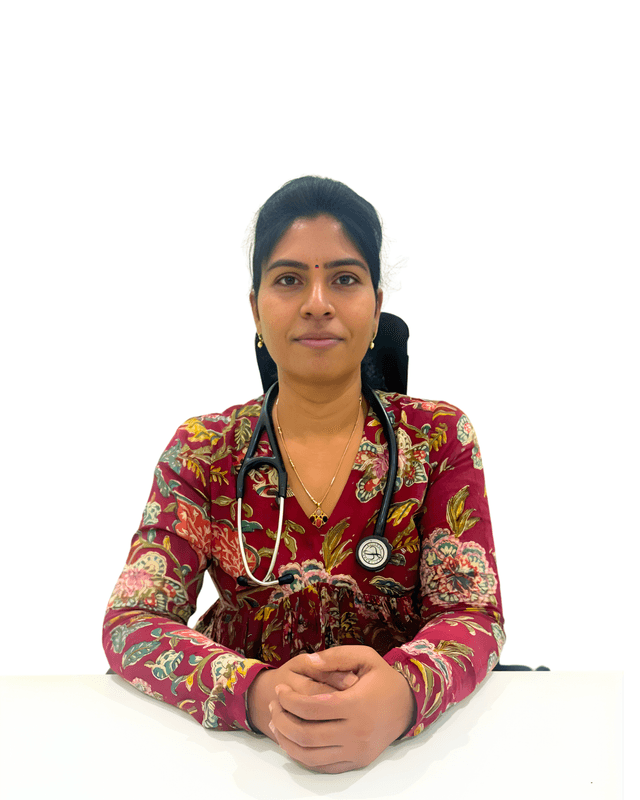
Struggling with Dandruff? Get Expert Scalp Care in Nandyala
Book a consultation with Dr. Sireesha at Yashvini Skin & Hair Clinic, Nandyala.