Pigmentation Treatment in Nandyala
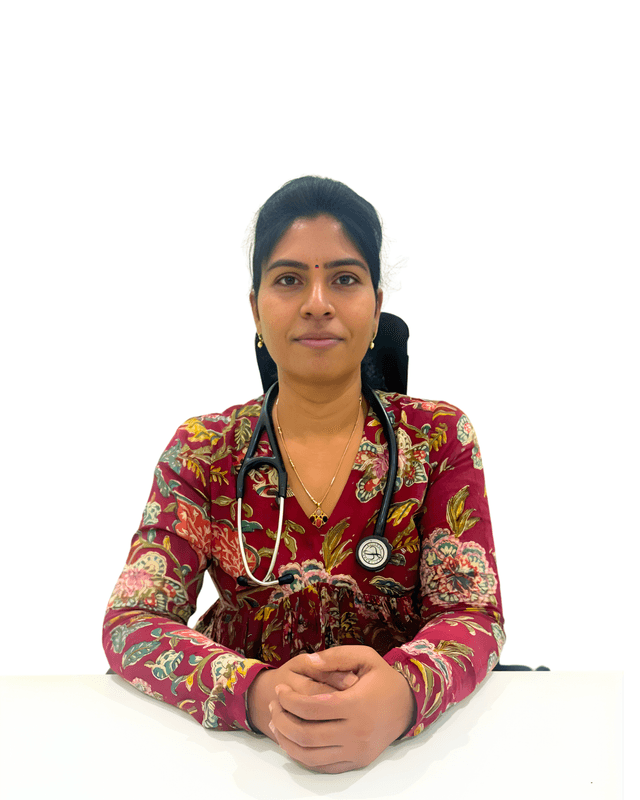
Uneven skin tone, dark spots, and patchy pigmentation are among the most common skin concerns for patients in South India. Dr. Sireesha at Yashvini Skin & Hair Clinic, Nandyala, offers safe and effective treatments designed for Indian skin tones.
What Is Skin Pigmentation?
Skin pigmentation refers to the colouring of the skin, which is determined by the amount and distribution of melanin produced by specialised cells called melanocytes. When melanin production is excessive or uneven — due to sun exposure, inflammation, hormonal changes, or skin injury — it results in areas of hyperpigmentation: patches or spots darker than the surrounding skin.
The most common forms include post-inflammatory hyperpigmentation (PIH), which appears after acne, eczema, or any skin injury; solar lentigines (sun spots or liver spots) caused by cumulative UV exposure; freckles (ephelides), which are small flat spots more common in lighter skin but also seen in Indian patients; and diffuse uneven skin tone caused by chronic sun exposure and ageing.
South Indian skin (Fitzpatrick types IV–V) is particularly prone to hyperpigmentation because melanocytes are highly reactive to any form of trauma or UV stimulation. This makes both treatment and prevention critically important — and also means that treatments must be chosen carefully to avoid triggering further pigmentation.
Causes
Symptoms & Types
Post-Inflammatory Hyperpigmentation (PIH)
Dark marks left after acne breakouts, insect bites, eczema, or any skin injury. Very common in South Indian skin. Usually flat and fades over time with proper treatment and sun protection.
Solar Lentigines (Sun Spots)
Flat, well-defined brown spots caused by years of cumulative UV exposure. Commonly appear on the face, hands, arms, and décolletage. Respond well to Q-switched laser and IPL.
Freckles (Ephelides)
Small, flat brown spots that darken in summer and fade in winter. Genetic in origin but triggered by sun exposure. Can be effectively lightened with laser and topical agents.
Uneven Skin Tone / Diffuse Hyperpigmentation
Generalised darkening or patchiness across the face or body due to chronic sun exposure, ageing, or hormonal factors. A combination approach of topical agents, peels, and sun protection works best.
Periorbital Hyperpigmentation (Dark Circles)
Darkening of the skin around the eyes, influenced by genetics, thin skin, UV exposure, fatigue, and blood vessel congestion. Treated with topical agents, chemical peels, and Q-switched laser.
Melasma
A distinct pattern of facial pigmentation driven by hormonal and UV factors. Covered in detail on a separate page — see the Melasma Treatment page for full information.
Treatment Options at Yashvini Clinic
Q-Switched Nd:YAG Laser
A gold-standard laser for pigmentation that delivers ultra-short pulses of energy specifically absorbed by melanin, shattering pigment particles without damaging surrounding skin. Safe for darker Indian skin tones. Effective for sun spots, freckles, PIH, and tattoo pigment. Multiple sessions are typically needed.
Chemical Peels
Glycolic acid, mandelic acid, lactic acid, and Jessner's solution peels exfoliate pigmented superficial skin layers, revealing fresher, more even-toned skin beneath. A series of peels spaced 2–4 weeks apart is most effective. Mandelic and lactic acid peels are particularly gentle and well-suited for Indian skin.
Topical Lightening Agents
Evidence-based topical agents prescribed by Dr. Sireesha include kojic acid (inhibits tyrosinase enzyme), niacinamide (reduces melanosome transfer), vitamin C (antioxidant that suppresses melanin synthesis), tranexamic acid (blocks UV-induced pigmentation), and azelaic acid. These are often combined for synergistic effect.
Intense Pulsed Light (IPL)
Broadband light energy targets melanin in sun spots and freckles, causing them to darken temporarily before flaking off. Best suited for lighter skin tones or well-defined sun spots. Dr. Sireesha will assess suitability based on your skin type.
Broad-Spectrum Sunscreen
Sun protection is not optional — it is the cornerstone of all pigmentation treatment. SPF 50+ broad-spectrum sunscreen used daily and reapplied every 2–3 hours prevents existing pigmentation from darkening and new spots from forming. Without this, all other treatments are significantly less effective.
Microinjections / Mesotherapy
Skin-brightening cocktails containing vitamin C, glutathione, tranexamic acid, and hyaluronic acid delivered by micro-injections into the superficial skin layer. Provides overall brightening and improved skin radiance over a course of sessions.
What to Expect
Before Treatment
- A detailed skin assessment with Dr. Sireesha to identify the specific type and depth of pigmentation.
- Begin a prescribed preparatory regimen (usually topical agents + sunscreen) for 4–6 weeks before procedures to prime the skin.
- Avoid sun exposure and use SPF 50+ rigorously for at least 2 weeks before any laser or peel procedure.
- Disclose all medications, including hormonal contraceptives, as these influence pigmentation patterns and treatment planning.
- Do not use retinoids or other actives for 5–7 days before chemical peels unless advised otherwise.
- Avoid waxing or hair removal in the treatment area for at least a week before the procedure.
During Treatment
- Q-switched laser sessions are quick (15–30 minutes) with minimal discomfort; a topical numbing cream may be applied beforehand.
- Chemical peels involve application of the peeling solution, a mild tingling or warmth is normal; neutralisation or removal completes the procedure.
- IPL sessions take 20–30 minutes; protective goggles are worn throughout.
- Treated sun spots may temporarily darken (appear 'bronzed' or darker) immediately after laser — this is expected and resolves as pigment is shed.
After Treatment
- Apply SPF 50+ sunscreen without fail, starting from the morning after treatment.
- Darkened spots after laser will form micro-crusts and peel off within 7–14 days — do not pick or scrub them.
- Mild redness and a warm sensation are normal for 24–48 hours after laser; cool compresses provide relief.
- Avoid all active skincare ingredients (retinoids, AHAs, BHAs) for 5–7 days post-procedure.
- Moisturise generously with a gentle, fragrance-free moisturiser to support skin barrier recovery.
- Results are progressive — most patients see significant improvement after 3–5 sessions spaced 4–6 weeks apart.
Benefits
Aftercare & Home Care
Frequently Asked Questions
తెలుగులో సమాధానాలు
Frequently Asked Questions — in Telugu & English
Related Treatments
Concerned About Uneven Skin Tone or Dark Spots in Nandyala?
Book a consultation with Dr. Sireesha at Yashvini Skin & Hair Clinic, Nandyala.