Eczema Treatment in Nandyala
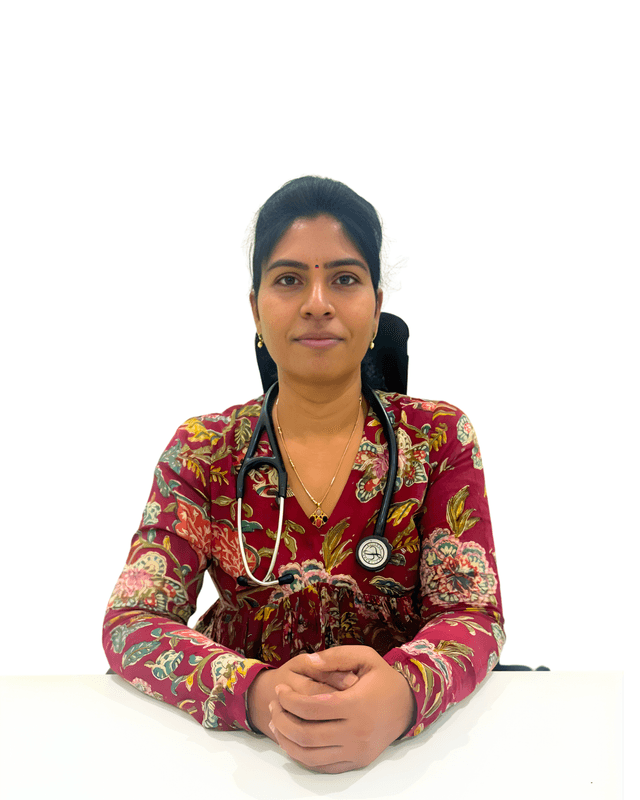
Eczema is a chronic inflammatory skin condition that causes intense itching, dryness, and rashes that significantly impact quality of life. Dr. Sireesha at Yashvini Skin & Hair Clinic, Nandyala, provides personalised, evidence-based management to control symptoms and reduce flare-ups.
What Is Eczema?
Eczema is an umbrella term for a group of conditions that cause the skin to become inflamed, itchy, dry, and cracked. The most common form is atopic dermatitis, which is part of the 'atopic triad' alongside asthma and allergic rhinitis. It is a chronic condition with periods of remission interrupted by flares, often triggered by environmental factors or stress.
Contact dermatitis is another common form — it occurs when the skin reacts to a specific substance. Allergic contact dermatitis involves an immune response to an allergen (such as nickel, fragrances, or rubber), while irritant contact dermatitis results from direct damage by harsh substances like soaps, detergents, or chemicals.
The fundamental problem in atopic dermatitis is a defective skin barrier — genetic mutations (particularly in the filaggrin gene) lead to a skin that cannot retain moisture effectively and is more permeable to allergens and irritants. This triggers an immune response that drives the characteristic itch-scratch cycle. Breaking this cycle with appropriate treatment is central to management.
Causes
Symptoms & Types
Atopic Dermatitis
The most common form of eczema. Characterised by intensely itchy, dry, inflamed skin. In children, it typically affects the face, scalp, and elbow/knee creases. In adults, it tends to affect the hands, eyelids, neck, and flexural areas. A chronic condition requiring long-term management.
Contact Dermatitis
Skin inflammation triggered by contact with a specific substance. Allergic contact dermatitis (e.g., to nickel in jewellery, or fragrance in cosmetics) involves a delayed immune response. Irritant contact dermatitis (e.g., from frequent hand washing or household chemicals) is more common.
Dyshidrotic Eczema
Small, intensely itchy blisters on the palms, fingers, and soles. Often triggered by stress, sweating, or contact with metals. More common in adults and can be quite debilitating.
Nummular Eczema
Coin-shaped patches of irritated skin, often oozing or crusted. Tends to be more common in older adults and in drier climates or winter months. Can be confused with ringworm.
Seborrhoeic Dermatitis
Affects oily areas: scalp, face (around nose and eyebrows), chest. Involves a yeast (Malassezia) component in addition to inflammation. Characterised by yellowish, greasy scales. Very common in South India's warm, humid climate.
Stasis Dermatitis
Eczema of the lower legs associated with poor venous circulation. Common in older patients and those with varicose veins. Presents as redness, scaling, and itching, and can lead to ulceration if not managed.
Treatment Options at Yashvini Clinic
Emollient / Moisturiser Therapy
The foundation of eczema management. Regular application of thick, fragrance-free emollients (creams, ointments) repairs the impaired skin barrier, reduces water loss, and prevents flares. Moisturisers should be applied liberally 2–3 times daily and immediately after bathing. Dr. Sireesha recommends specific formulations suited to the severity of your eczema and climate.
Topical Corticosteroids
The mainstay of anti-inflammatory treatment for eczema flares. Applied to affected areas during flares to reduce redness, swelling, and itch. Available in different potencies — mild formulations for the face and body folds, stronger preparations for thickened or resistant areas. Dr. Sireesha prescribes the appropriate potency and duration to avoid side effects.
Calcineurin Inhibitors (Tacrolimus & Pimecrolimus)
Non-steroidal anti-inflammatory topicals that are especially useful for sensitive areas (face, eyelids, genitals) where prolonged steroid use is not appropriate. Also used for maintenance therapy between flares to proactively prevent them. Safe for long-term use under medical supervision.
Dupilumab (Biologic Therapy)
A targeted biologic injection (anti-IL-4/IL-13) approved for moderate-to-severe atopic dermatitis not adequately controlled by topical treatments. Dupilumab dramatically reduces itch, skin inflammation, and frequency of flares. Administered as a subcutaneous injection every 2 weeks. Dr. Sireesha assesses eligibility and manages biologic therapy.
NB-UVB Phototherapy
Narrowband UVB light therapy is effective for widespread eczema that is not adequately controlled by topicals. It works by modulating the immune response in the skin. Sessions are conducted 2–3 times per week in clinic. A course of 20–30 sessions typically produces significant improvement.
Trigger Identification and Avoidance
Identifying and avoiding personal triggers is as important as any medication. Dr. Sireesha helps identify triggers through patch testing (for contact dermatitis), dietary review, and environmental assessment. Common measures: dust mite-proof bedding covers, fragrance-free products, cotton clothing, and temperature regulation.
What to Expect
Before Treatment
- A detailed history of flare triggers, previous treatments, family history of atopy, and impact on daily life.
- Patch testing may be arranged to identify contact allergens if contact dermatitis is suspected.
- Photograph affected areas to document severity and monitor progress.
- Review all current skincare products — many commercial products contain fragrances and preservatives that worsen eczema.
- Discuss any concurrent asthma, hay fever, or food allergies as part of the atopic picture.
- Set expectations: eczema is managed, not cured — the goal is prolonged remission with minimal flares.
During Treatment
- Apply emollient first, then topical corticosteroid on affected areas during flares — the 'wet wrapping' technique may be used for severe flares.
- Oral antihistamines may be prescribed for itching, particularly sedating ones at night to allow sleep.
- Antibiotics (topical or oral) may be prescribed if there is evidence of secondary bacterial infection (yellow crusting, weeping, increased warmth).
- Phototherapy sessions are attended as scheduled — regularity is key to achieving and maintaining results.
- Dupilumab injections are given as per the prescribed schedule; improvement is typically seen within 4–16 weeks.
After Treatment
- Continue emollient use daily even during remission — this is maintenance therapy, not optional.
- Use calcineurin inhibitors proactively on previously affected areas 2–3 times per week to prevent new flares.
- Avoid identified triggers rigorously — environmental control is ongoing.
- Follow up with Dr. Sireesha every 1–3 months to assess control and adjust the treatment plan.
- Recognise early signs of a flare (increased dryness, itching) and initiate topical steroids promptly to prevent escalation.
- Monitor mental health — chronic eczema significantly impacts wellbeing; address sleep disturbance and anxiety with Dr. Sireesha.
Benefits
Aftercare & Home Care
Frequently Asked Questions
తెలుగులో సమాధానాలు
Frequently Asked Questions — in Telugu & English
Related Treatments
Living with Eczema in Nandyala? Let Us Help.
Book a consultation with Dr. Sireesha at Yashvini Skin & Hair Clinic, Nandyala.