PRP Hair Therapy in Nandyala
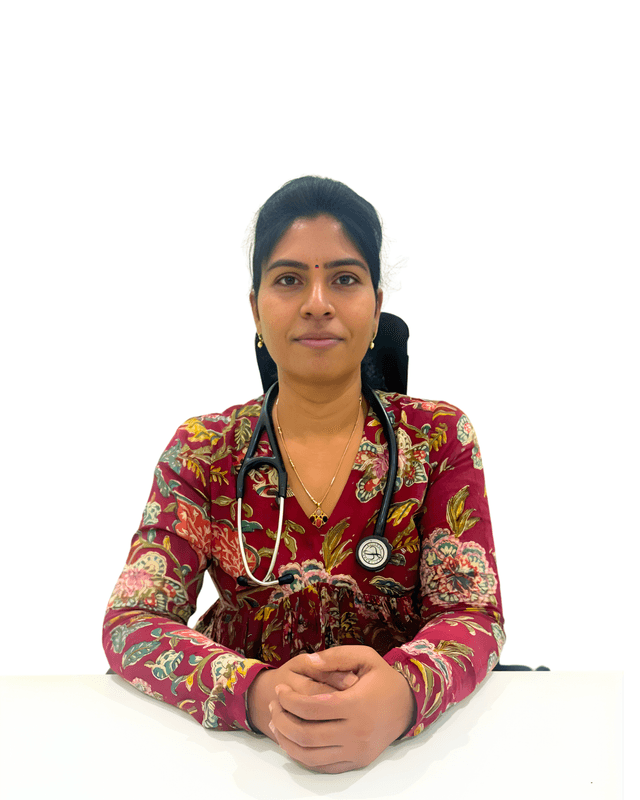
Harness your body's own growth factors to reactivate dormant hair follicles. Dr. Sireesha offers evidence-based Platelet-Rich Plasma (PRP) therapy at Yashvini Skin & Hair Clinic, Nandyala, for androgenetic alopecia, hair thinning, and related conditions.
What Is PRP Hair Therapy?
Platelet-Rich Plasma (PRP) therapy is an advanced, minimally invasive hair restoration procedure that uses a concentrated preparation of your own blood platelets to stimulate hair follicle activity. A small amount of blood is drawn from your arm, placed in a centrifuge to separate and concentrate the platelets, and then injected precisely into the scalp at the level of the hair follicles. Because the procedure uses your own biological material, the risk of allergic reactions is extremely low.
Platelets are naturally rich in growth factors — including Platelet-Derived Growth Factor (PDGF), Vascular Endothelial Growth Factor (VEGF), Epidermal Growth Factor (EGF), and Transforming Growth Factor (TGF-beta). When delivered to the scalp, these growth factors stimulate resting (telogen) hair follicles to re-enter the active growth (anagen) phase, increase blood supply to follicles, and prolong the growth cycle. The net result is reduced hair fall and gradual improvement in hair density over several months.
PRP is not a one-time cure — it is a maintenance-oriented treatment. The standard protocol involves an initial course of 3 to 4 sessions spaced 4 weeks apart, followed by maintenance sessions every 3 to 6 months depending on the patient's response. Most patients begin to notice visible improvement in hair texture and density at 3 to 4 months after beginning the initial course. PRP is most effective for early to moderate androgenetic alopecia and hair thinning, and can be combined with topical minoxidil, finasteride, or microneedling for enhanced results.
Causes
Symptoms & Types
Androgenetic Alopecia (Male & Female Pattern)
The most common indication for PRP. In men, thinning follows the Norwood scale (temples and crown). In women, it follows the Ludwig scale (widening part line and diffuse crown thinning). PRP can slow progression and improve density, particularly in early to moderate stages.
Hair Thinning Without Complete Baldness
Patients with diffuse hair thinning and reduced hair diameter (miniaturisation) who still have living follicles respond well to PRP. Once follicles are permanently scarred, PRP cannot regenerate them.
Alopecia Areata (Adjunct Use)
PRP may be used alongside intralesional steroids or other treatments for alopecia areata. It is not a standalone cure but can support regrowth efforts in patchy hair loss caused by autoimmune inflammation.
Post-Telogen Effluvium Recovery
After a triggering event (illness, surgery, pregnancy, crash dieting), some follicles remain dormant. PRP may help accelerate their return to the active growth phase, shortening the recovery timeline.
Hair Transplant Augmentation
PRP is often used in conjunction with hair transplant procedures to improve graft survival and speed up recovery of both transplanted and native hairs.
Treatment Options at Yashvini Clinic
PRP Injection Therapy
Blood is drawn, centrifuged to concentrate platelets 3–5 times above baseline, and injected into the scalp using a fine needle or mesotherapy gun. Topical anaesthetic is applied beforehand to maximise comfort.
Activated PRP (ACP)
Some protocols use calcium chloride or thrombin to activate the PRP before injection, releasing growth factors more rapidly. Dr. Sireesha selects the appropriate preparation based on individual patient needs.
Combined Topical Minoxidil
PRP is frequently combined with topical or oral minoxidil for a synergistic effect — minoxidil maintains follicle activity daily while PRP sessions deliver a periodic growth-factor boost.
PRP + Microneedling
Microneedling (dermaroller or dermapen) creates micro-channels in the scalp immediately before PRP application, enhancing absorption of growth factors into the follicular zone for improved results.
Nutritional Optimisation
Blood tests for ferritin, vitamin D, B12, zinc, and thyroid hormones are recommended before PRP. Correcting nutritional deficiencies supports PRP efficacy and overall follicle health.
Maintenance Programme
After the initial 3–4 sessions, maintenance PRP every 3–6 months is advised to sustain results. Skipping maintenance sessions often leads to gradual reversal of improvement over 12–18 months.
What to Expect
Before the Session
- Wash your hair with a mild shampoo on the morning of your appointment
- Eat a light meal and stay well hydrated — fasting is not required
- Avoid blood-thinning medications (aspirin, ibuprofen) for 3 days if medically safe
- Inform Dr. Sireesha of any recent illnesses, vaccinations, or platelet disorders
- Arrive with clean, product-free scalp — avoid hair sprays or oils
During the Procedure
- Topical anaesthetic cream is applied and left for 20–30 minutes
- Approximately 10–20 ml of blood is drawn from your arm
- The blood is centrifuged for 8–12 minutes to separate PRP
- PRP is injected into the scalp at 1 cm intervals targeting thinning zones
- The entire procedure takes 45–60 minutes; mild pinching sensation is normal
After the Session
- Avoid washing hair for 8 hours after the procedure
- Mild scalp tenderness and redness may persist for 24–48 hours
- Resume regular activities the same day; avoid swimming pools for 48 hours
- Results begin at 3–4 months; take progress photos monthly to track changes
- Attend all scheduled sessions — skipping sessions reduces cumulative benefit
Benefits
Aftercare & Home Care
Frequently Asked Questions
తెలుగులో సమాధానాలు
Frequently Asked Questions — in Telugu & English
Ready to Restore Your Hair? Book a PRP Consultation in Nandyala
Book a consultation with Dr. Sireesha at Yashvini Skin & Hair Clinic, Nandyala.