Skin Allergy Treatment in Nandyala
Skin allergies can cause anything from localised rashes to widespread hives and swelling — often appearing unpredictably and significantly disrupting daily life. Dr. Sireesha at Yashvini Skin & Hair Clinic, Nandyala, specialises in identifying the cause and providing targeted, lasting relief.
What Are Skin Allergies?
Skin allergies occur when the immune system overreacts to a substance (allergen) that is harmless to most people. The immune response — involving IgE antibodies, mast cells, and histamine release — produces a range of skin reactions, from mild redness and itch to severe hives, swelling, or blistering. The presentation varies widely depending on the type of allergic reaction and the individual's immune sensitivity.
The most common skin allergies seen in dermatology practice include allergic contact dermatitis (triggered by direct skin contact with an allergen such as nickel, hair dye, or cosmetics), urticaria/hives (raised, itchy wheals that appear suddenly), angioedema (deeper swelling under the skin, often affecting the lips, eyelids, or throat), and food allergy-related skin reactions.
Correctly identifying the responsible allergen is crucial for effective management — and this requires careful clinical history, targeted testing (such as patch testing or skin prick testing), and sometimes a systematic elimination approach. Dr. Sireesha has expertise in this diagnostic process and works with patients to uncover triggers that may have been elusive for years.
Causes
Symptoms & Types
Allergic Contact Dermatitis
An itchy, red, sometimes blistering rash that appears at the site of allergen contact. Classic examples include ear-piercing sites reacting to nickel, or the hairline reacting to hair dye (para-phenylenediamine / PPD). Rash typically develops 24–72 hours after exposure due to the delayed (Type IV) immune response.
Urticaria (Hives)
Raised, red or pink, intensely itchy wheals (welts) that appear suddenly anywhere on the body. Individual wheals last less than 24 hours but new ones may continuously appear. Acute urticaria lasts less than 6 weeks; chronic urticaria persists beyond 6 weeks and requires specialist management.
Angioedema
Deep swelling under the skin (dermis/subcutis), commonly affecting the lips, eyelids, tongue, and throat. Often accompanies urticaria. Throat swelling can be a medical emergency (anaphylaxis). Patients with angioedema should have a clear action plan including access to emergency medication.
Food Allergy-Related Skin Reactions
Food allergens can trigger urticaria, angioedema, eczema flares, and in severe cases, anaphylaxis. Common culprits include shellfish, peanuts, tree nuts, milk, eggs, wheat, and fish. Reactions typically develop within minutes to 2 hours of ingestion.
Drug-Induced Skin Allergy
Medications can cause a wide range of skin reactions — from mild morbilliform (measles-like) rashes to severe conditions like Stevens-Johnson Syndrome (SJS) or DRESS syndrome. Any skin rash appearing after starting a new medication should be evaluated urgently by Dr. Sireesha.
Chronic Spontaneous Urticaria
Urticaria occurring most days for more than 6 weeks with no identifiable external trigger. Driven by autoimmune mechanisms in many cases. Requires specialist management with second-generation antihistamines and, if needed, omalizumab (biologic therapy).
Treatment Options at Yashvini Clinic
Antihistamines
The cornerstone of urticaria treatment. Second-generation, non-sedating antihistamines (cetirizine, fexofenadine, loratadine, bilastine) are taken daily to suppress histamine-mediated symptoms. For chronic urticaria, doses may be increased up to 4 times the standard dose under Dr. Sireesha's guidance. Older, sedating antihistamines (chlorphenamine) are used for acute flares or nighttime itch.
Patch Testing
The definitive diagnostic test for allergic contact dermatitis. Standardised panels of common allergens are applied to the back under adhesive patches for 48 hours, then read at 48 and 96 hours. Identifies the specific substance(s) causing the allergic reaction so they can be avoided. Dr. Sireesha uses comprehensive European and Indian standard series.
Topical Corticosteroids
Applied to localised areas of contact dermatitis or eczematous allergic reactions to reduce inflammation, redness, and itch. Prescribed in appropriate potencies based on the body site and severity. Used for short courses to manage acute flares.
Omalizumab for Chronic Urticaria
A monthly injectable biologic (anti-IgE) that dramatically reduces or eliminates hives in chronic spontaneous urticaria not controlled by antihistamines. Highly effective and well-tolerated. Dr. Sireesha assesses eligibility for omalizumab in patients with refractory chronic urticaria.
Trigger Identification and Avoidance
Identifying and systematically avoiding the responsible allergen is the most effective long-term strategy. Dr. Sireesha provides detailed allergen avoidance counselling, including safe alternatives to identified allergens in cosmetics, jewellery, and food. This is particularly important for contact dermatitis and food allergy.
Emergency Management and Action Plans
Patients with a history of severe allergic reactions or angioedema are provided with an emergency action plan, including when to use oral antihistamines, oral corticosteroids, and when to seek emergency care. Patients at risk of anaphylaxis are educated about the signs and the importance of calling emergency services.
What to Expect
Before Treatment
- A detailed allergy history: onset, duration, location of rash, potential triggers, occupation, cosmetics, jewellery, diet, and medications.
- Photograph acute reactions when possible to aid diagnosis, as hives are fleeting and may not be visible at the clinic visit.
- Patch testing appointment scheduled for allergic contact dermatitis — antihistamines and steroids may need to be stopped beforehand.
- Blood tests (total IgE, specific allergen IgE, complete blood count, thyroid function) may be ordered as part of the workup for chronic urticaria.
- Bring all current skincare, cosmetics, and household products to the appointment for ingredient review.
During Treatment
- Antihistamines taken daily as prescribed — not just when symptoms appear, for chronic urticaria management.
- Topical corticosteroids applied to affected areas for the prescribed duration; avoid face and sensitive areas unless specifically directed.
- Patch test panels worn for 48 hours without wetting the back or exercising excessively.
- Omalizumab injections administered monthly in clinic; most patients notice improvement within 1–3 months.
- Identified allergens strictly avoided — even trace amounts can trigger reactions in sensitised individuals.
After Treatment
- Continue allergen avoidance indefinitely for confirmed contact allergens — sensitisation is typically lifelong.
- Keep a symptom diary to track flares, potential triggers, and response to treatment.
- Review cosmetics, household products, and food labels for identified allergens with Dr. Sireesha's guidance.
- Follow-up appointments to reassess control and adjust antihistamine dose or escalate to biologic therapy if needed.
- Carry an emergency antihistamine or oral steroid if prescribed for breakthrough reactions.
Benefits
Aftercare & Home Care
Frequently Asked Questions
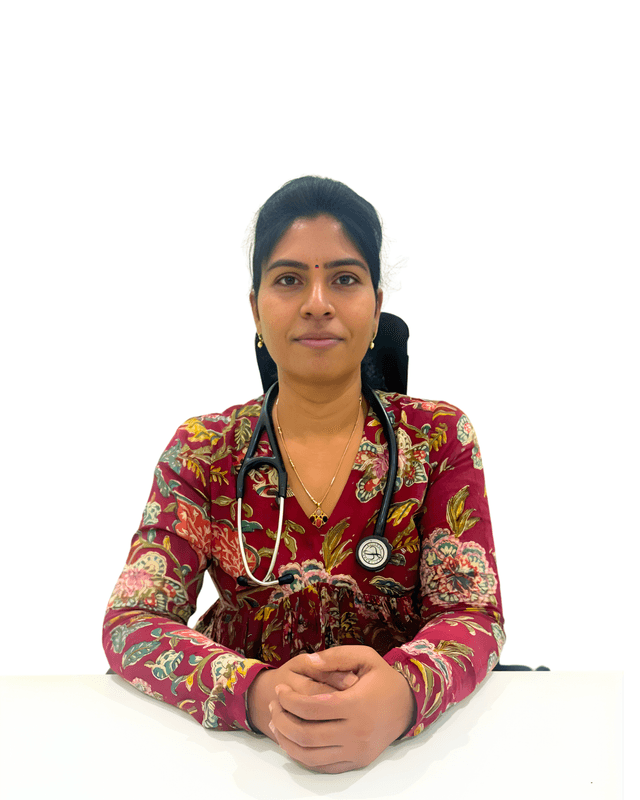
Experiencing Skin Allergies or Hives in Nandyala?
Book a consultation with Dr. Sireesha at Yashvini Skin & Hair Clinic, Nandyala.